
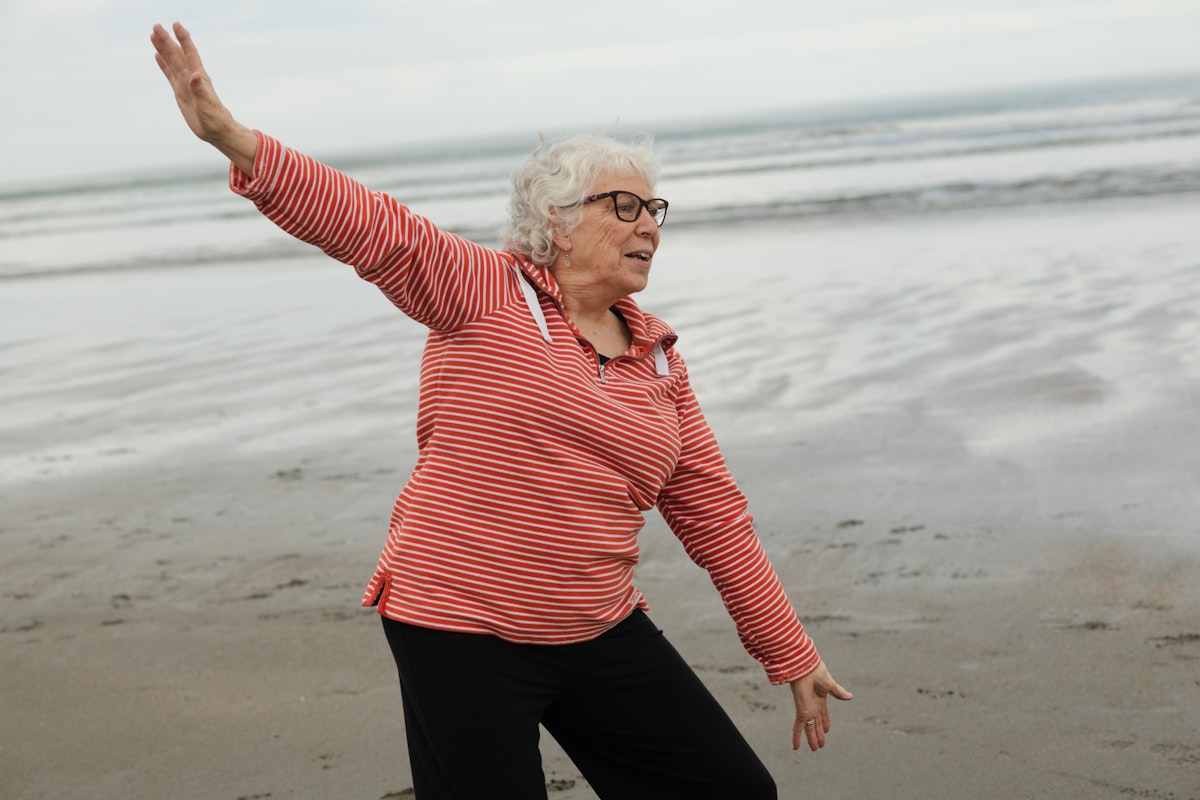
Move Every Day, Protect Your Joints for Life
Discover evidence-informed daily exercises and healthy habits curated by physiotherapy specialists. Mobilitynutritionguide brings you practical, safe guidance on joint care, mobility exercises, and joint support diet — all in one trusted editorial resource for readers across Finland.

Why Daily Movement Is the Best Habit for Joint Health
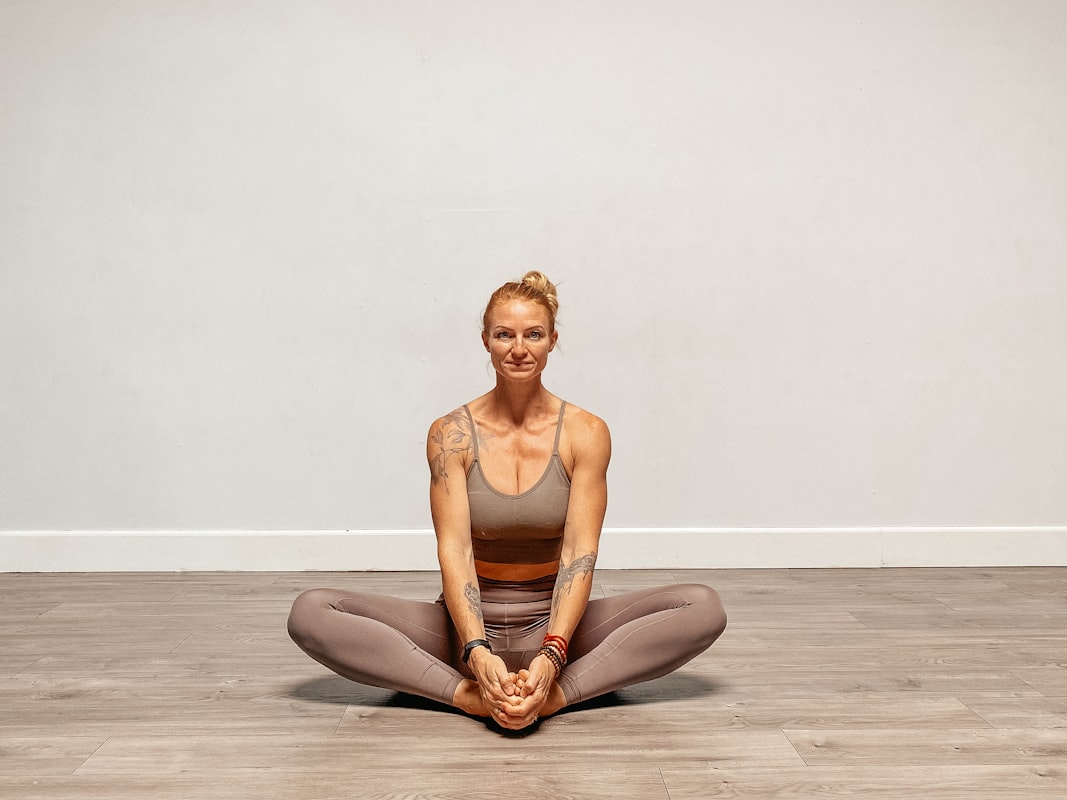
Physiotherapists consistently emphasize that regular, low-impact movement is one of the most important contributors to long-term joint wellness. When you build gentle activity into each day — even a short light joint warm-up in the morning — you help maintain the range of motion that keeps everyday tasks comfortable and effortless.
Joint mobility depends on consistent use. Sedentary work environments common across Finland can gradually reduce flexibility and weaken the supporting muscles around major joints. Understanding how to move correctly during the day is as important as any dedicated exercise session.
Our editorial team brings together physiotherapist tips, nutritional insights, and practical habits so that readers can learn how to preserve joints and maintain an active lifestyle at any age. This is joint prevention at its most accessible — no equipment required, no clinic visits needed.
Your Daily Joint Exercise Routine
A simple, structured approach based on physiotherapist recommendations for safe gymnastics and sustainable joint care habits you can follow every single day.
Morning Mobility Warm-Up (8–10 min)
Begin each morning with slow, controlled circular movements for the neck, shoulders, wrists, hips, knees, and ankles. This light joint warm-up signals your body to prepare for the day and gradually increases blood flow to cartilage and connective tissue. Perform each movement gently — the goal is range, not speed.

Mid-Day Posture & Activity Breaks (Every 45 min)
Activity during sedentary work is a cornerstone of joint prevention. Set a reminder every 45 minutes to stand, stretch your spine, roll your shoulders, and walk for two minutes. Proper posture when walking — chest open, weight evenly distributed — reduces unnecessary strain on your hips and knees. These micro-breaks add up significantly over the course of a workday.
Afternoon Strength & Flexibility Session (15–20 min)
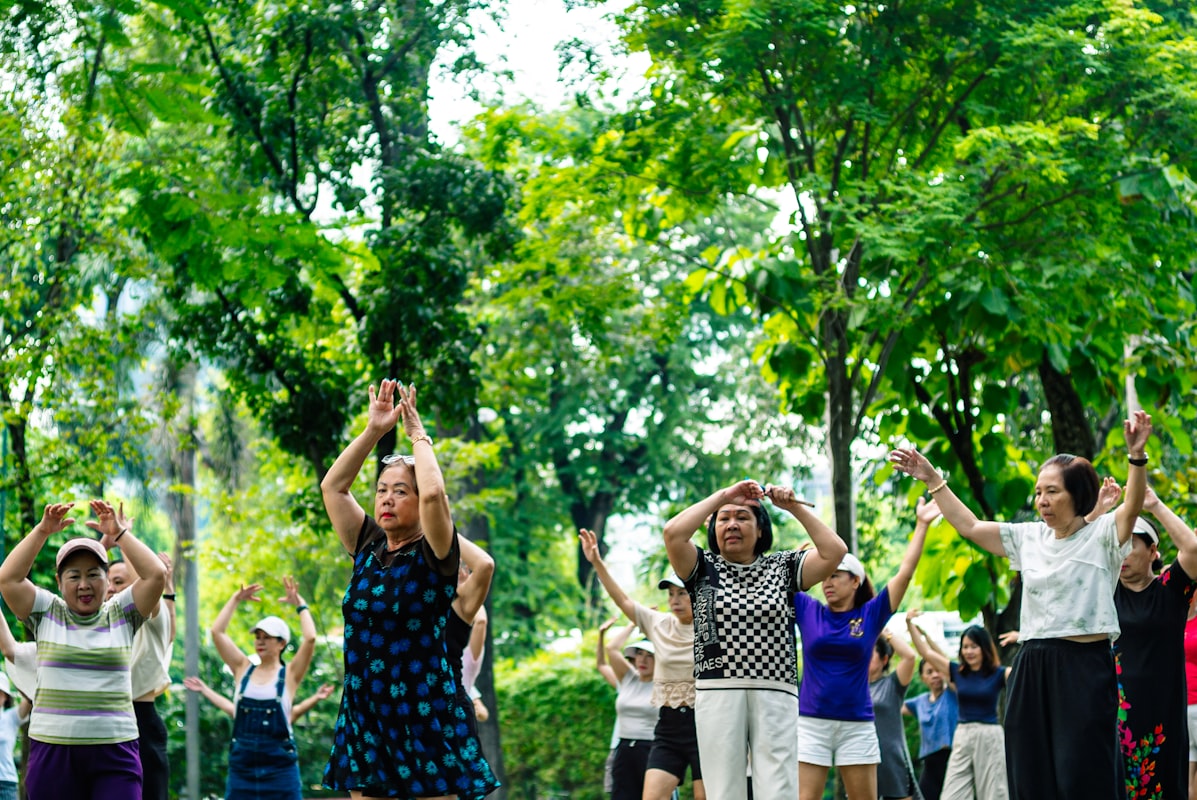
Dedicated safe gymnastics in the afternoon targets the muscles that support your major joints. Exercises such as wall squats, side-lying leg raises, and gentle resistance band work strengthen the knee, hip, and shoulder structures without overloading them. Always move within a pain-free range and progress gradually based on how your body responds.

Evening Wind-Down & Joint Support Nutrition (10 min)
Close your day with slow breathing and gentle floor stretches — cat-cow, supine hip rotations, and a seated forward fold. Pair the evening routine with a joint support diet rich in omega-3 fatty acids, collagen-containing foods, and hydrating vegetables. A healthy menu for active people doesn't need to be complicated; even small dietary adjustments contribute meaningfully to overall joint care over time.

Key Exercises for Knees, Hips & Shoulders
These physiotherapist-approved movements form the foundation of daily joint mobility practice. Each is designed to be safe, accessible, and effective for a wide range of fitness levels.
Knee Circles & Supported Leg Raises
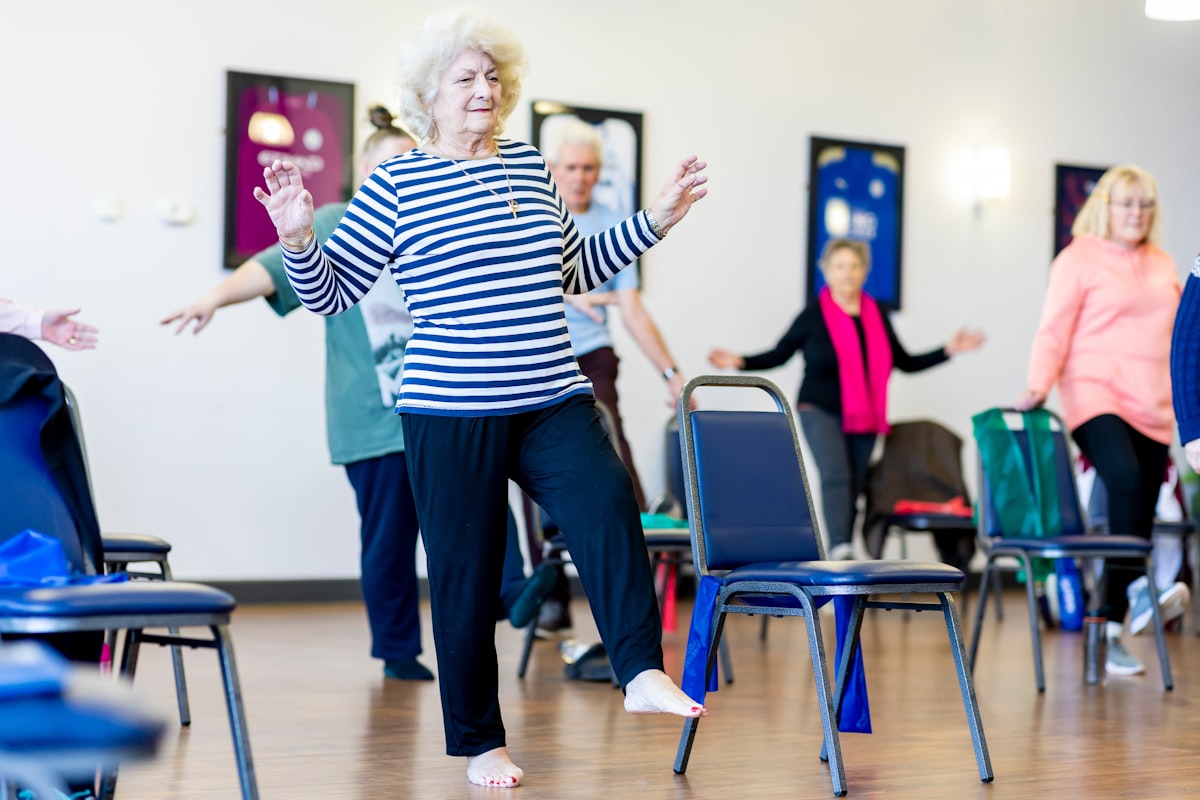
Standing with hands on a chair back, draw slow circles with each knee in both directions. Follow with controlled leg raises to the front and side. This sequence improves joint mobility around the knee, activates the quadriceps and glutes, and is a staple in physiotherapy-based joint care programs.
Read full guide
Glute Bridge & Hip Flexor Stretch
Lie on your back, feet flat on the floor, and slowly raise your hips to form a straight line from shoulders to knees. Hold for three seconds and lower with control. Follow with a kneeling hip flexor stretch to counteract hours of sitting. Together, these exercises support the hip joint and encourage proper posture when walking throughout the day.
Read full guide
Shoulder Pendulum & Wall Angel
The pendulum exercise — letting the arm swing freely from a slightly bent-forward position — is a gentle way to maintain shoulder range of motion without muscle tension. Pair it with the wall angel: standing with your back flat against a wall, slowly slide arms overhead and back down. This combination is widely recommended by physiotherapists for maintaining shoulder joint support during exertion.
Read full guide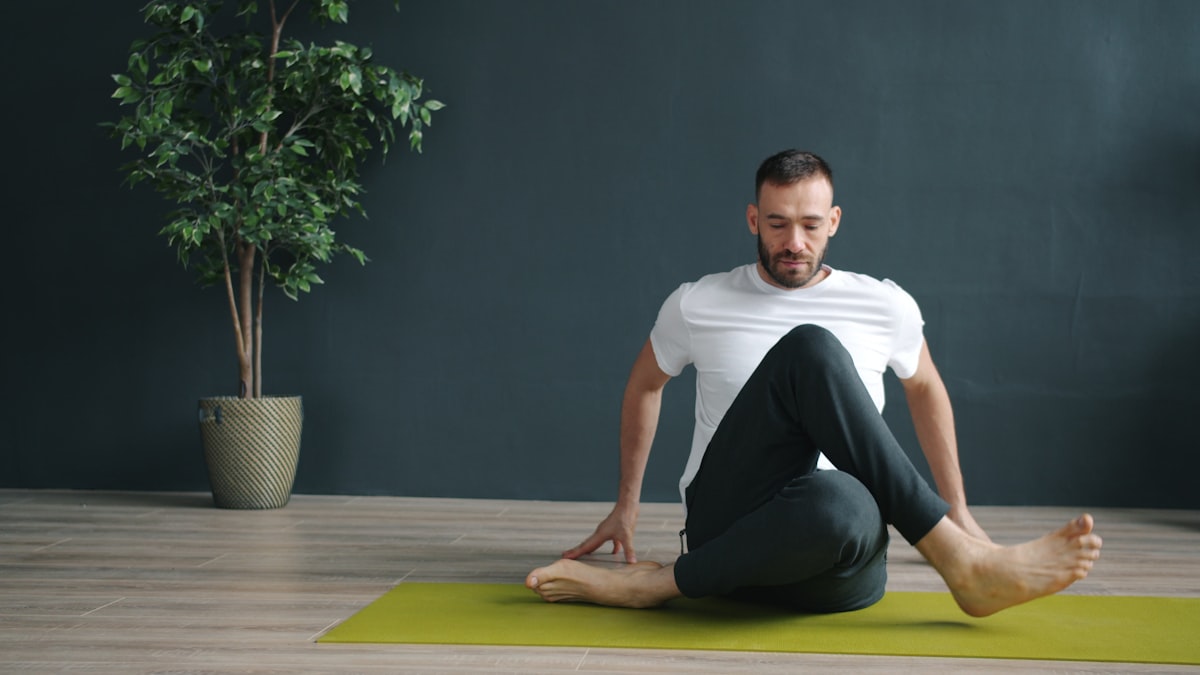
Ankle Mobility & Calf Raises
Ankle health is often overlooked in joint prevention routines. Seated ankle circles in both directions help maintain the flexibility needed for balanced movement throughout the day. Slow calf raises at a counter or wall support ankle stability and improve lower-leg circulation — a healthy habit for joints that influences your entire kinetic chain from foot to hip.
Read full guide
Spinal Cat-Cow & Thoracic Rotation
On all fours, alternate between arching and rounding your spine with each breath cycle. Follow with seated or kneeling thoracic rotations, keeping your lower back stable. These movements maintain the mobility of spinal joints, ease tension accumulated from sedentary work, and are among the most consistently recommended safe gymnastics in physiotherapy-led joint wellness programs.
Read full guide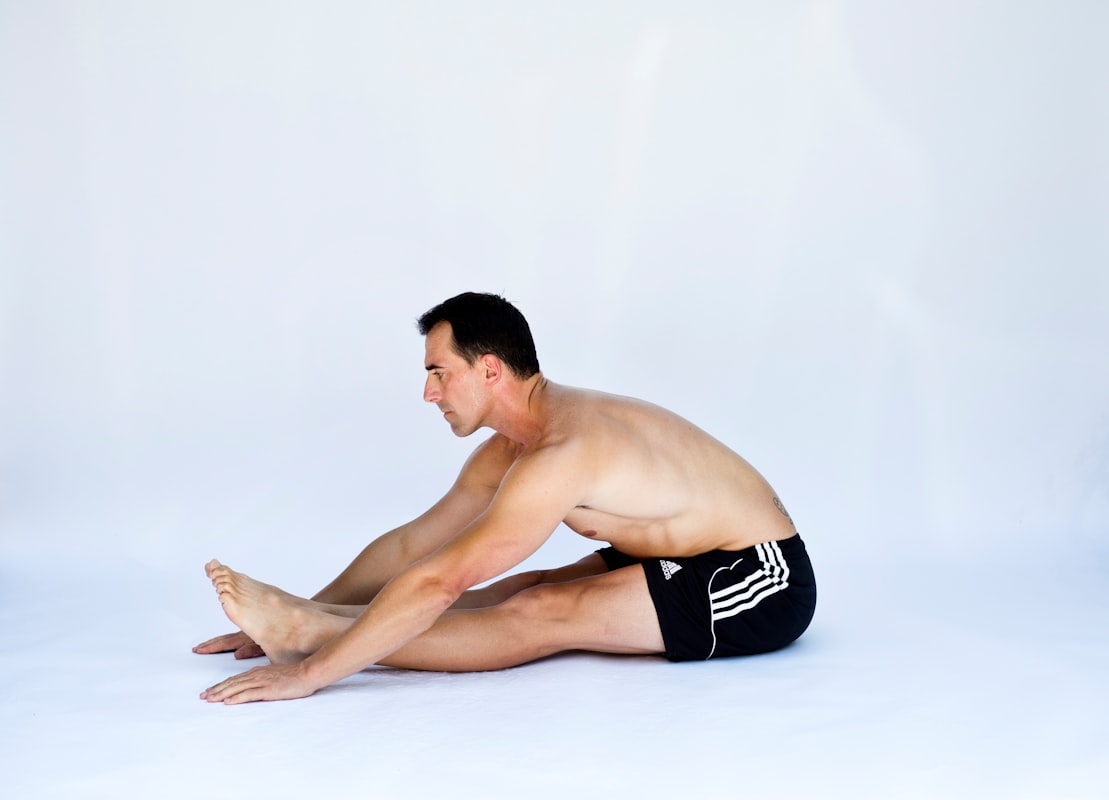
Wrist Circles & Finger Flexion
For those who type or use a mouse extensively, wrist and finger joint care is essential. Perform slow wrist circles in both directions, then open and close your fingers fully ten times. Gentle finger flexion against minimal resistance keeps small joints supple. These desk-friendly micro-exercises are a critical part of how to move correctly during the day for office-based readers.
Read full guideSix Pillars of Our Editorial Approach
Mobilitynutritionguide covers every dimension of joint wellness — from safe movement to everyday nutrition — with content rooted in physiotherapy knowledge and practical experience.
Mobility Exercises Library
An ever-growing collection of mobility exercises categorized by joint area, difficulty, and available time. Whether you have five minutes at a desk or twenty minutes at home, you'll find the right movement sequence for your schedule and needs.
Physiotherapist Tips & Insights
Our articles draw on physiotherapist tips and clinical knowledge to explain the reasoning behind each recommended habit. Understanding why a movement helps makes it easier to stay consistent and adapt the guidance safely to your personal situation.
Joint Support Diet & Nutrition
Nutrition is an underestimated component of joint care. Our editorial content covers a joint support diet focused on anti-inflammatory foods, adequate protein for muscle health, and hydration — all explained through a practical healthy menu for active people living busy Finnish lifestyles.
Activity During Sedentary Work
A dedicated section explores activity during sedentary work — helping office workers, remote professionals, and students understand how to integrate meaningful movement into their day without disrupting productivity. Small breaks yield large benefits for joint mobility over months and years.
Joint Support During Exertion
For physically active readers — hikers, cyclists, gym-goers, and recreational sport participants — we cover joint support during exertion: how to warm up properly, how to load joints progressively, and how to recognize when rest is more beneficial than continued activity.
Healthy Habits & Prevention Plans
Healthy habits for joints go beyond isolated exercises. Our guides explore sleep quality, hydration routines, footwear choices, and weight management — all of which form the broader landscape of how to preserve joints over the long term. Joint prevention is a lifestyle, and we help you build it step by step.
Real People, Real Changes in Daily Habits
Our readers from across Finland share how the articles and movement guides have helped them build sustainable, joint-friendly daily routines.
"I work a desk job in Helsinki and used to feel stiff every afternoon. After following the activity-during-sedentary-work articles for a few weeks, the regular movement breaks became second nature. I genuinely didn't expect reading a guide to change my daily rhythm so completely.
Mia Korhonen Helsinki
"The morning warm-up routine from Mobilitynutritionguide is now the first thing I do after waking up. The explanations about proper posture when walking were particularly eye-opening — I never realized how much my gait was affecting my hips. Simple, practical, and well-researched content.
Jarkko Mäkinen Tampere
"The nutrition articles changed how I approach grocery shopping. I started incorporating more omega-3-rich fish, leafy greens, and bone broth into my weekly menu after reading about the joint support diet. Paired with the shoulder exercises from the library, I feel more at ease during my morning runs than I have in years.
Sanna Virtanen Oulu
I've spent years dealing with stiff hips from long hours at my desk. The mobility guide's hip-opening routines were explained so clearly — with progression steps I could actually follow. Within a month I noticed I could sit cross-legged again without discomfort. Simple, practical, and genuinely effective guidance.
Frequently Asked Questions
Everything you need to know before diving into the guide.
Who is Mobilitynutritionguide designed for?
Do I need any special equipment to follow the exercises?
How does nutrition information relate to joint health?
How often should I practise the mobility routines?
Is the content suitable if I have an existing joint condition?
Your Joints Deserve Better.
Let's Make It Happen.
Thousands of readers across Finland and beyond have already taken the first step toward freer, more comfortable movement. Access the full exercise library, evidence-based nutrition articles, and practical weekly plans — all in one place, completely free.
No spam, no fees, no commitments. Unsubscribe any time.